


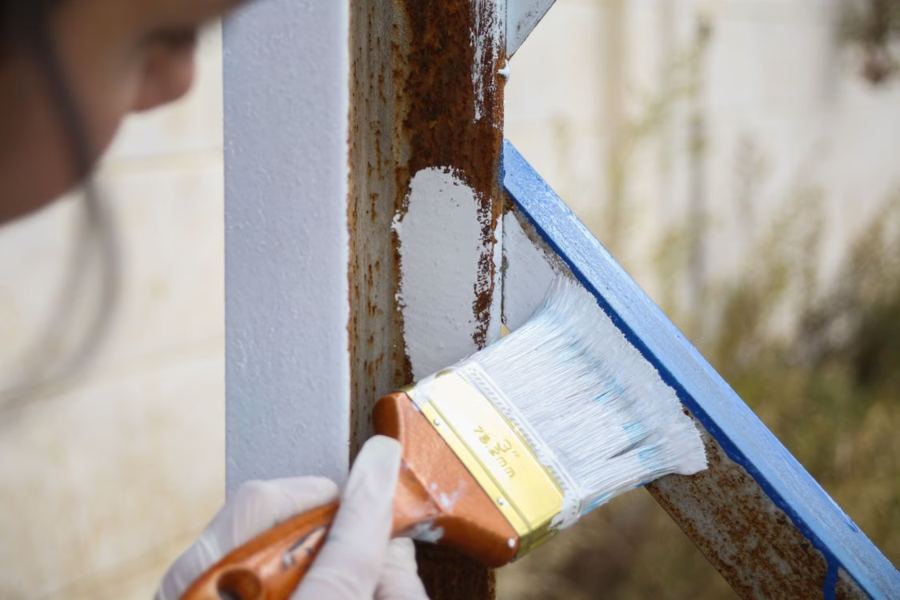
You’ve spent hours painting an old metal gate, outdoor chair or piece of equipment. The finish looks fantastic, and you’re pleased with the result. But a few months later, the paint starts peeling, bubbling or flaking away. Suddenly, all that hard work feels wasted.
The problem often isn’t the paint itself. Metal surfaces need proper preparation before a new coating can adhere effectively. Rust, grease, moisture and poorly prepared surfaces can all prevent paint from bonding properly, leading to premature deterioration.
Getting the preparation right can save time, money and frustration. For larger projects, professional methods such as abrasive cleaning can help remove unwanted coatings, corrosion and surface contamination. For smaller household projects, understanding the most common preparation mistakes is a good place to start.
Painting Directly Over Rust
One of the biggest mistakes is assuming that a fresh coat of paint will stop rust from spreading.
Although certain coatings are designed for use over properly prepared rusty surfaces, ordinary paint generally won’t provide lasting protection when applied over loose corrosion.
Rust can continue developing beneath the coating, eventually causing bubbling and peeling.
Before painting, remove loose rust using an appropriate wire brush, abrasive pad or suitable surface preparation tool.
Inspect the remaining metal carefully. If corrosion has significantly weakened the component, painting won’t restore its structural strength.
Once the surface is prepared, apply a compatible primer designed for the metal and intended environment.
Forgetting to Remove Grease and Dirt
Even metal that looks clean can contain contaminants that interfere with paint adhesion.
Fingerprints, oils, dust and residue from cleaning products may prevent the coating from bonding evenly.
This is particularly common when painting machinery, metal furniture or surfaces that have been handled frequently.
Use a suitable degreaser or cleaning product recommended for the material and coating system.
Follow the manufacturer’s instructions and allow the surface to dry completely.
Avoid touching freshly cleaned areas with bare hands, as this can transfer oils back onto the metal.
Skipping the Primer
Primer might seem like an unnecessary extra expense, especially when the chosen paint promises excellent coverage.
However, many metal surfaces benefit from a compatible primer that promotes adhesion and provides corrosion protection.
Different metals have different requirements.
For example, galvanised steel and aluminium may need specialised preparation and primers compared with ordinary carbon steel.
Using the wrong product can cause paint to peel even when the surface has been cleaned thoroughly.
Check the coating manufacturer’s recommendations before choosing your primer and topcoat.
Not Preparing the Surface Properly
Paint needs a suitable surface to adhere to.
Applying a new coating over glossy, loose or deteriorating paint can lead to poor results.
Depending on the existing finish, preparation may involve sanding, removing failing coatings or creating an appropriate surface profile.
Before starting:
- Remove loose or peeling paint.
- Check for rust and other corrosion.
- Clean away dust and contaminants.
- Follow the recommended preparation method for the coating.
- Confirm that the surface is dry before painting.
Be particularly careful with old painted surfaces, which may contain lead or other hazardous substances. If the coating’s composition is unknown, seek appropriate advice before sanding or disturbing it.
Painting in the Wrong Weather Conditions
Temperature and humidity can have a major influence on how paint dries and cures.
Painting in excessive heat may cause the coating to dry too quickly, while cold or humid conditions can interfere with proper curing.
Moisture can also condense on metal surfaces, even when they appear dry.
Check the manufacturer’s recommended application conditions before beginning.
For outdoor projects, avoid painting when rain is expected or when temperatures are likely to fall outside the specified range.
Allow sufficient drying and curing time between coats rather than rushing to finish the job.
Applying Paint Too Thickly
It’s tempting to apply one heavy coat instead of several thinner layers.
However, excessive paint thickness can cause runs, uneven drying and problems with the finished coating.
Follow the product’s recommended application method and coating thickness.
Allow each layer to dry for the specified period before applying another.
A carefully applied coating system generally produces a more consistent finish than trying to achieve complete coverage in one pass.
Good Preparation Makes Paint Last Longer
A durable paint finish starts well before the first coat is applied.
Removing corrosion, cleaning thoroughly, choosing compatible products and following application instructions can significantly improve the result.
Taking shortcuts during preparation might save an hour today, but it can lead to considerably more work when the coating fails.
Whether you’re restoring garden furniture or repainting larger metal structures, investing time in proper preparation gives your finished project a much better chance of looking good for years to come.